
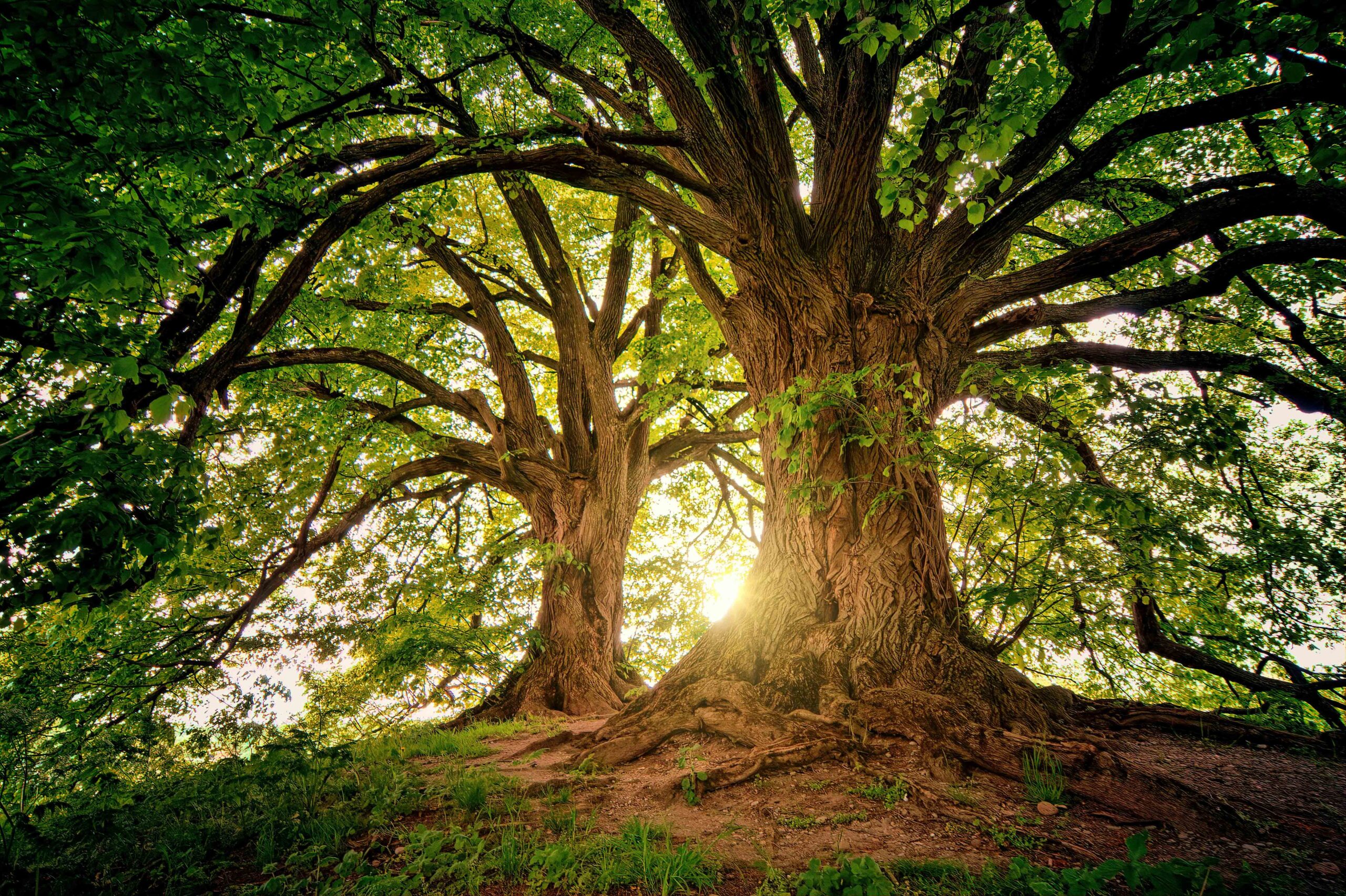
What if plants had their own doctors, just like us?
A mango tree with fever. A banyan suffering from indigestion. A flowering creeper exhausted from “burnout.”
Sounds strange, doesn’t it? Yet, thousands of years ago, India had exactly this worldview. Trees and plants were not “things” but living beings with constitutions, diseases, and remedies. They breathed, aged, suffered, and healed—just like us. And the science of caring for them was called Vriksha Ayurveda.
Long before the age of chemical fertilizers and genetically modified crops, sages of India wrote entire manuals on how to keep plants healthy, productive, and spiritually aligned. Not only did they prescribe fertilizers and pest remedies, but they also described doshas in plants (Vata, Pitta, Kapha), rituals for transplanting, even methods for producing seedless fruits and dwarf varieties.
In other words: plants had doctors—and they were Ayurvedic physicians.
Roots in the Vedas
The Atharvaveda (c. 2000–3000 BCE) contains some of the earliest plant-based knowledge ever documented, cataloguing nearly 300 medicinal plants. Here, mantras were chanted to guard crops, heal diseases, and even protect seeds from decay. One verse prays:
“May the plants protect us from disease, may they guard us from decline, may they guard us from untimely death.”
(Atharvaveda 5.17.4)
From this seed grew a vast tradition. By the time of the Agnipurana (compiled later), Vriksha Ayurveda was already recognized as a distinct branch of agricultural science. It was considered so sacred that planting a tree was said to bring the four goals of life—Dharma (duty), Artha (wealth), Kama (pleasure), and Moksha (liberation).
Imagine that: agriculture not just as survival, but as a spiritual path.
The Classical Texts of Vriksha Ayurveda: A Timeline of Botanical Wisdom
- c. 400 BCE – Salihotra’s Vriksha Ayurveda
12 chapters on soil types (Anupa, Jangala, Sadharana), irrigation, transplanting, seasonal care, and the legendary Kunapa Jala fertilizer. - c. 300 BCE – Kautilya’s Arthashastra
Guidelines for state officers to plant useful trees, manage irrigation, and collect taxes based on crop health. - 6th Century – Brihat Samhita (Varāhamihira)
Flowering cycles as harvest predictors; rainfall astrology. - 6th Century – Amarakosha
Lexicon classifying soils, lands, and farming tools. - 8th–9th Century – Krishi Sukthi (Sage Kashyapa)
Detailed methods for paddy cultivation. - 6th–8th Century CE – Krishi Parasara
Seed storage techniques and guidance for rain-fed agriculture. - c. 1000 CE – Surapala’s Vriksha Ayurveda
13 chapters on seed treatment, plant classification, watering schedules, disease management, and advanced horticultural techniques. - Upavana Vinoda (Sarangadhara Paddhati)
Insights on tree glory, soil selection, and nourishment methods.
These texts show a continuous thread of botanical knowledge where ecology, medicine, and spirituality intertwined seamlessly.
Techniques Ahead of Their Time
When you read these ancient instructions, they sound uncannily modern—sometimes even futuristic.
1. Kunapa Jala – The Miracle Fertilizer
A fermented concoction made from boiled meat, sesame, urad dal, and milk, buried underground to ferment. After 10 days, the liquid was diluted and poured at the plant’s roots.
Modern studies confirm Kunapa Jala stimulates rapid germination, enhances nutrient absorption, and boosts immunity in plants (EasyAyurveda).
2. Sacred Seed Sowing
Seeds were smeared with cow dung, milk, and honey, then coated with Vidanga (antifungal herb) before planting. This was natural pest-proofing long before chemical fungicides.
3. Watering by Season
- Winter: once in two days.
- Spring: daily.
- Summer: morning & evening.
- Autumn: only when rainfall failed.
This reflects modern climate-sensitive irrigation.
4. Transplantation Rituals
Roots were smeared with honey, ghee, or lotus fiber. Small plants were moved in the daytime, large ones only in the evening. This minimize shock—a technique horticulturalists recommend even today.
When Plants Fell Sick
The brilliance of Vriksha Ayurveda lies in how it applied Ayurvedic diagnosis to plants, treating them as living beings with constitutions, vulnerabilities, and remedies—much like humans.
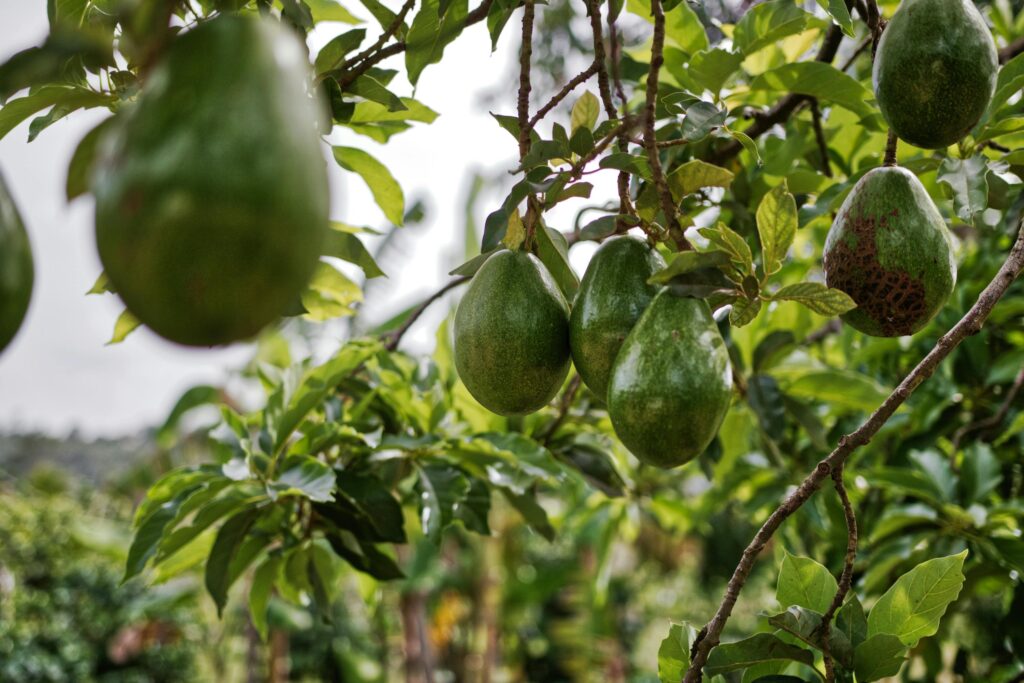
Vata imbalance in plants manifests as knotted trunks, lean growth, and hard fruits. Remedies included irrigation with fat, flesh, and Kunapa Jala, and fumigation with neem leaves. In humans, Vata imbalance shows as dryness, stiffness, and irregularity—joint pain, constipation, and fatigue. In both plants and humans, the solution is nourishment and lubrication to restore balance.
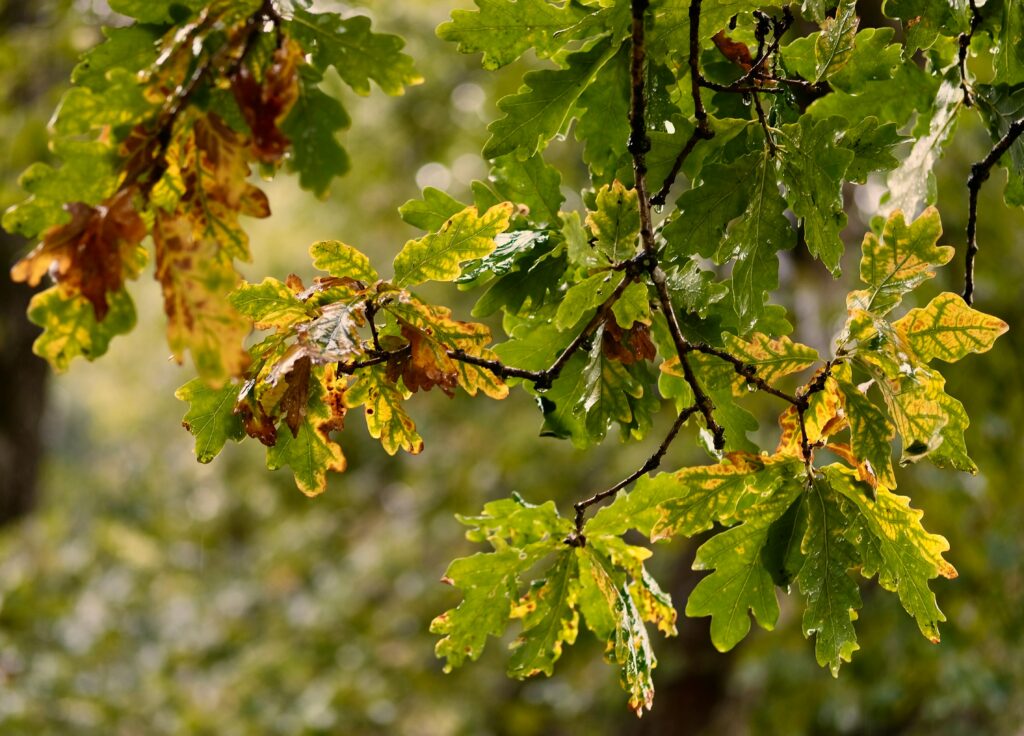
Pitta imbalance appears in plants as yellowing leaves, premature fruit drop, and branch shedding. Remedies involved cooling and soothing treatments: licorice decoction, milk, and honey. Similarly, in humans, Pitta expresses as heat, inflammation, acidity, and irritability. Cooling and calming measures help pacify this fiery energy, whether in leaves or the human body.
Kapha imbalance shows in plants as excessive creepers, glossy leaves, and stagnation, treated with sesame-ash water or mustard cakes at the roots. In humans, Kapha imbalance manifests as heaviness, sluggishness, and congestion. The goal in both cases is to stimulate circulation, encourage growth in the right direction, and prevent stagnation.
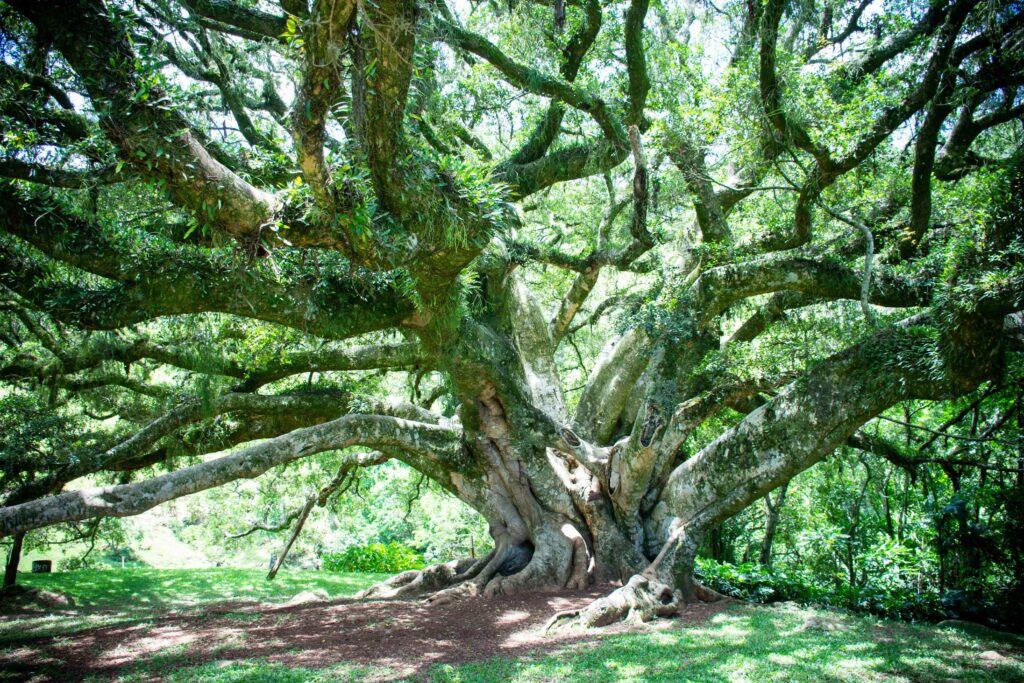
Vriksha Ayurveda also accounted for exogenous causes—worms, frost, lightning, or fire—and prescribed targeted, natural remedies:
- Worms → cow dung + Kunapa Jala
- Fire damage → mud plaster + lotus paste irrigation
- Excessive heat → sprinkling with milk
This ecological plant medicine shows a profound understanding of life, balance, and environment, centuries before the term “organic farming” existed. It reminds us that the same principles governing human health—nourishment, cooling or warming, stimulation, and protection—can be observed in the green world around us.
Ancient Biotechnology
The innovations recorded in Vriksha Ayurveda are truly astonishing—centuries ahead of their time, blending practical agriculture with natural chemistry. Many of these techniques mirror modern horticultural practices, though the materials and methods were entirely natural.
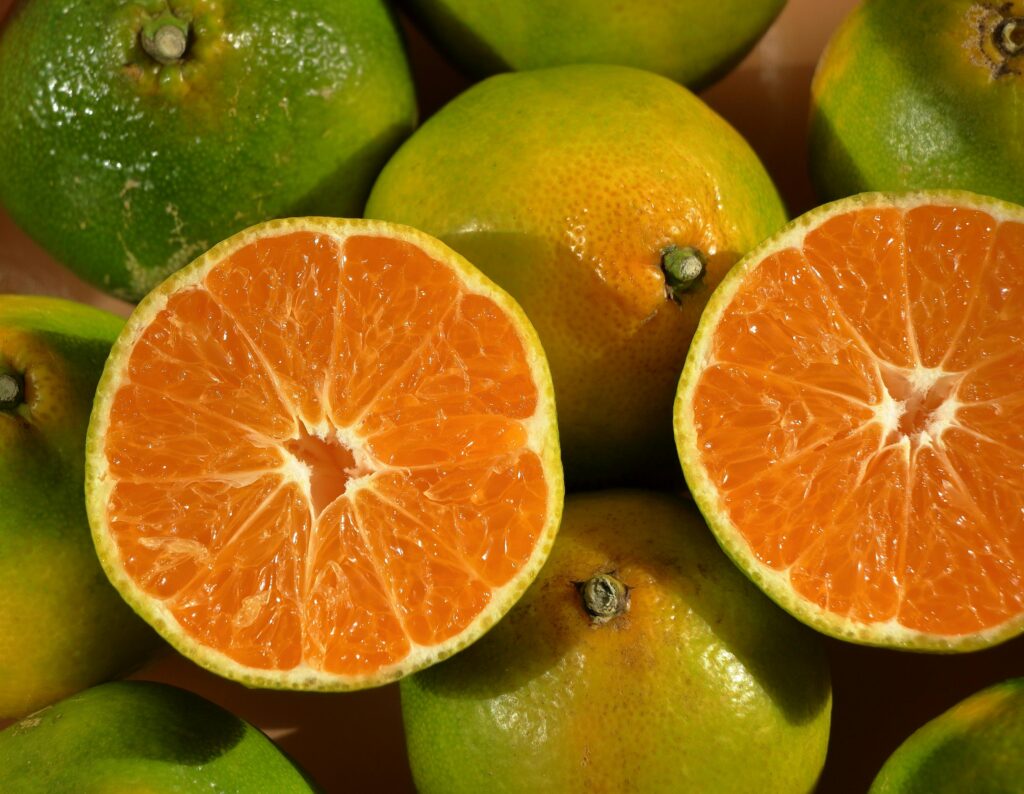
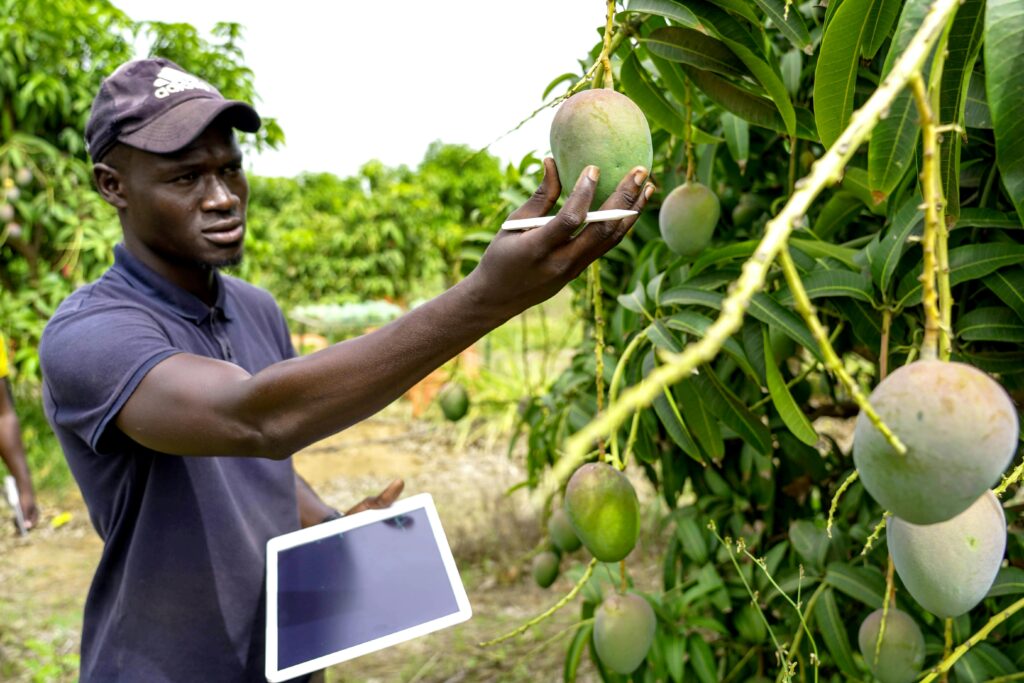
Seedless Fruits: Ancient farmers created seedless fruits using a root paste of licorice, sugar, and madhuka flowers. These natural compounds likely influenced the plant’s hormonal pathways, preventing seed formation. Today, horticulturists achieve the same effect using hormonal treatments like gibberellins and auxins in crops such as tomatoes and watermelons (PMC). The principle is the same—manipulating growth—but the ancient method relied entirely on natural plant-based materials.
Dwarf Varieties: By erecting pillars near roots and irrigating with milk, ancient gardeners controlled growth to produce compact, bonsai-like trees. Modern agriculture produces dwarf fruit trees through grafting and pruning techniques, or by using synthetic growth regulators (Orchard People).

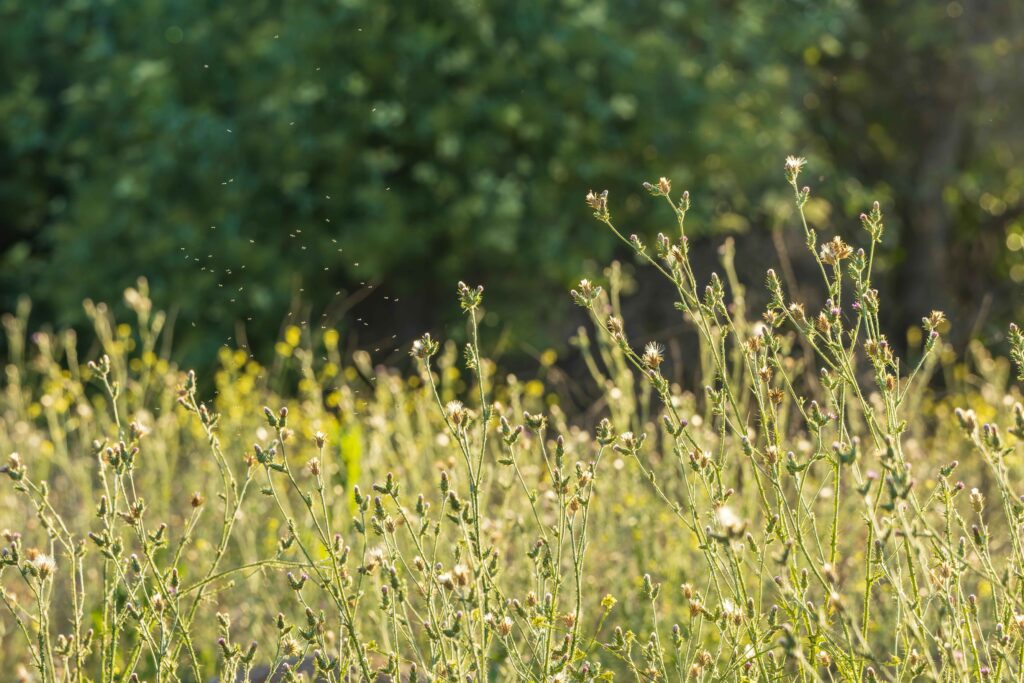
Seasonless Flowering: To encourage year-round blooms, sages used a mix of sesame cake, sugarcane juice, and cow dung, effectively supplying nutrients and stimulating microbial activity. Today, flower production is often manipulated using photoperiod control, artificial lighting, and chemical growth regulators (The Pharma Journal).
Weed Control: Branches of Arka (Calotropis) placed in irrigation channels naturally suppressed weeds, likely through allelopathic compounds released into the water. Modern agriculture studies allelopathy scientifically and often relies on chemical herbicides (PMC). The ancient method achieved similar results without harming soil ecology.
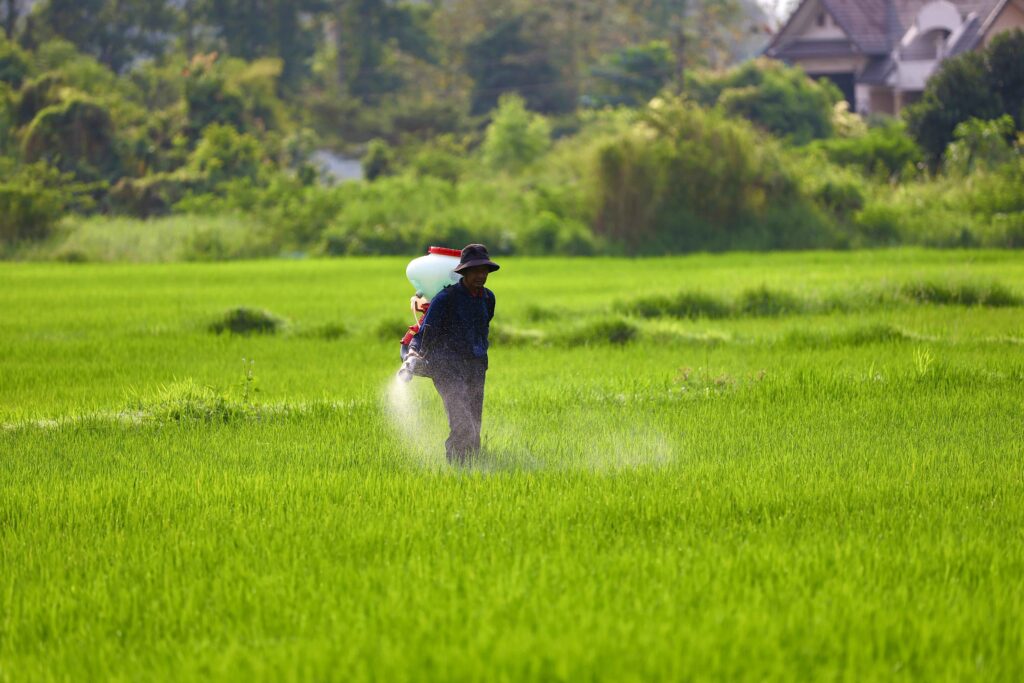
Paddy Pest Control: Farmers poured cactus milk into water inlets to control pests. Today, synthetic insecticides are widely used in rice fields (AgriTech KAU). The concept—using a targeted agent to control pests—is identical; the difference is that Vriksha Ayurveda relied on natural, biodegradable substances.
Preventing Fruit Drop: Smearing asafoetida on roots prevented premature fruit drop, probably by stimulating nutrient absorption and regulating plant hormones. In modern agriculture, synthetic auxins like NAA are used to control abscission and retain fruits (Ontario).
These ancient techniques were far more than gardening hacks—they were an early form of biotechnology. By observing plant physiology, manipulating natural compounds, and respecting ecological balance, Vriksha Ayurveda achieved results that modern science often replicates with chemicals and lab-based interventions. It’s a reminder that sustainable, plant-centered innovation has deep roots in history.
More Than Science
Planting was not just agricultural—it was sacred.
“He who plants one tree, is considered to have performed a sacrifice equal to a hundred yajnas.”
(Vriksha Ayurveda of Surapala, trans. Nalini Sadhale, 1996).
Imagine if today, planting a sapling was seen as equal to performing the highest spiritual sacrifice. How different our relationship with forests would be.
Continuity into Modern Times
The wisdom of Vriksha Ayurveda quietly resonated with later scientific discoveries. In the early 1900s, Jagadish Chandra Bose invented the Crescograph, a sensitive device measuring plant growth and movement. Bose demonstrated that plants respond to touch, temperature, light, and even musical vibrations, and that they register pain and stress—confirming the sentience long observed by Vriksha Ayurveda.
Today, the contrast is stark. Industrial agriculture, dominated by monocultures and chemical dependence, often disregards the subtle ecology of the land, causing soil depletion, biodiversity loss, and pest resistance. Yet the principles of Vriksha Ayurveda—observing plant constitutions, respecting seasons, using natural biostimulants, and integrating ecological balance—offer a holistic, sustainable alternative.
Planting a tree was considered a sacred act in Vriksha Ayurveda, and it remains so in spirit: it is an offering, a care for the environment, and a bridge between humanity and the green world that sustains us. By embracing these ancient principles, we don’t just grow crops—we restore a reciprocal relationship with nature, blending age-old wisdom with modern responsibility.
Explore Further
Curious to know more? These books offer practical guidance, historical insights, and timeless techniques for caring for plants and practicing sustainable agriculture. Click on the links to grab your copy from Amazon!
- VRKSAYURVEDA by DR.SRIKRISHNA JUGNU
A version of Vriksha Ayurveda Samhita focused on agro-Ayurvedic principles. Covers plant care, soil health, and remedies in more “hands-on” terms. Good if you want something classical but practical. - Vrikshayurvedic Farming: The Traditional Indian Agriculture by C & M ujh R Nandhakumar Swaminathan
Modern practitioners gathering ancient farming techniques. Talks about sustainable farming methods, what traditional farmers did, and how to bring those into today’s fields. - Vrikshayurveda Samhita (Principles of Agro Ayurveda) by Ravi Singh Choudhary
Helps connect ancient plant science with modern ecological concerns. Great for readers who want both theory and application. - Vrikshayurveda: Ancient Indian Plant Science by Avinash Khaire
Broad survey of traditional plant care, combining old texts and modern interpretations. Ideal if someone wants to see the bigger picture of Vriksha Ayurveda. - Plant Lives: Borderline Beings in Indian Traditions by Ellison Banks Findly
Deep on the philosophy: how Indian traditions conceive of plants, their sentience, rituals, and their role in culture. Less about agriculture specifics, more about spiritual and cultural meaning. - Vriksayurveda by by Rome Sircar (Author), N.N. Sarkar (Translator)
Older book combining Sanskrit + English; good for readers interested in scriptural/formal texts. Might be denser, but rich in traditional content. - Life Movements in Plants by Jagadis Chunder Bose
For those curious about plant physiology, movement, responses to the environment. Goes more into the “science side” of plant sentience and behavior.
Sources & References
Atharvaveda (5.17.4) – prayers for plant protection.
Agnipurana – references to Vriksha Ayurveda.
Surapala’s Vrikshayurveda (English translation by Dr. Nalini Sadhale, 1996).
Vriksha Ayurveda by Salihotra.
Brihat Samhita by Varahamihira.
Arthashastra by Kautilya.
EasyAyurveda: Vriksha Ayurveda to Improve Plant Health.
Jugunu, Srikrishna – Vriksha Ayurveda (Chaukhambha Sanskrit Series, Varanasi).

One response
[…] the first two parts of this series, we met plants the way the ancients did—as living beings, and as guides in sustainable farming. But the story of Vriksha Ayurveda doesn’t end with rituals […]